RSPCA WA investigation leads to court convictions after illegal traps cause severe suffering to local native wildlife.
Wade McColl (16/08/2026)
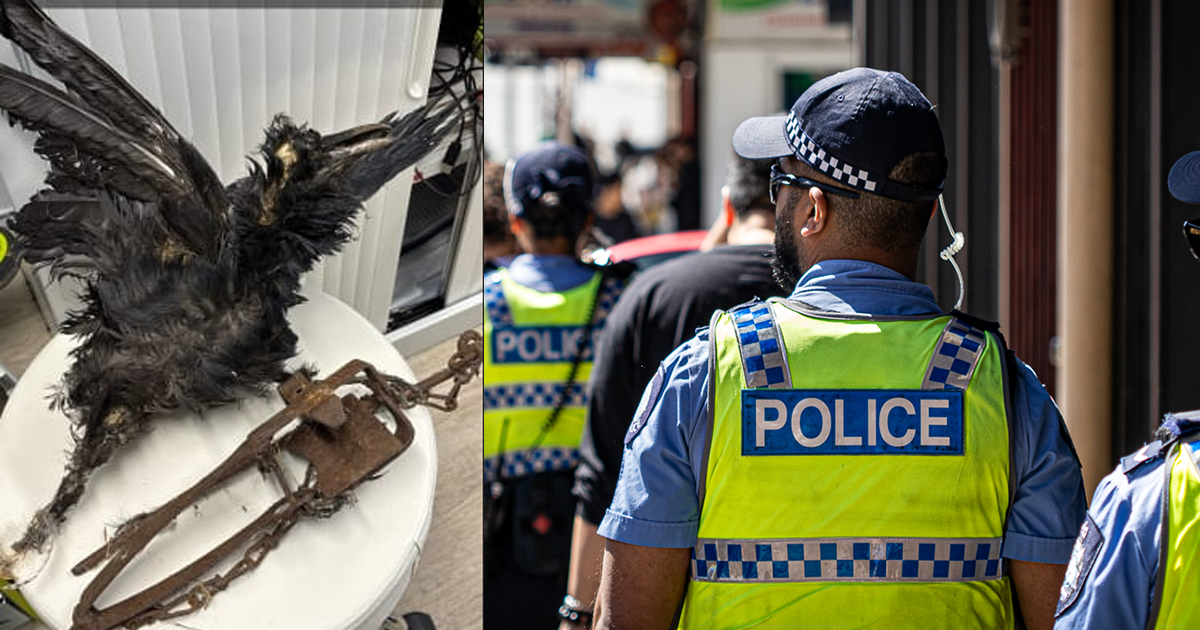
Raven & jaw trap lure. Photo (01) RSPCA Western Australia, Photo (02) Wade McColl, Founder & Director Baldivis Times, 2026.
A 29-year-old Baldivis resident has been handed a $5,000 fine after being convicted of using an illegal steel-jaw trap to capture and kill native birds on his property.
The conviction follows an investigation by RSPCA WA, which revealed the man deliberately deployed the prohibited device under the Animal Welfare Act 2002 to protect his backyard chicken yard.
Cruel Deterrent Method Exposed
According to evidence presented in court, the offender placed an egg inside the steel-jaw trap as bait to lure ravens. Once a bird became trapped by its leg, he would strike it on the head to kill it, leaving the carcass in the trap as a visual deterrent for other birds.
During interviews with RSPCA inspectors, the man admitted that ravens remained trapped alive while suffering for five to ten minutes before he discovered and killed them. He acknowledged using this method repeatedly over a six-month period.
Magistrate Sarah Oliver condemned the actions during sentencing, describing the behavior as unacceptable, cruel, and malicious. She emphasized that steel-jaw traps inflict terrifying and painful injuries on animals and represent an entirely unacceptable method of handling local wildlife.
Partner Fined for Concealing Evidence
The offender's 28-year-old partner was also convicted in relation to the incident, receiving a $600 fine for obstructing an RSPCA WA inspector. Court records show she removed a trapped raven from the scene and hid it underneath a mulberry bush while inspectors were conducting their on-site investigation.
In addition to their respective fines, both individuals were ordered to pay $920.30 in court costs.
RSPCA WA Highlights Systemic Cruelty Issues
RSPCA WA Inspector Manager Kylie Green noted that inspectors encounter a wide range of severe cruelty cases across Western Australia, ranging from neglected pets to deliberate physical abuse and illegal trapping.
"What these cases show is that our inspectors never know what jobs they will be investigating when they arrive at work each day," Green stated, emphasizing that deliberate harm to animals will continue to be prosecuted to the full extent of the law.
Under Western Australian legislation, animal cruelty offences carry a maximum penalty of a $50,000 fine and up to five years imprisonment. Obstructing an inspector carries maximum penalties of a $20,000 fine and one year in prison.